
 TR
TR When Should Land Rover Brake Pads Be Replaced?
Discover when Land Rover brake pads should be replaced, including common warning signs, brake wear symptoms, and professional maintenance recommendations.
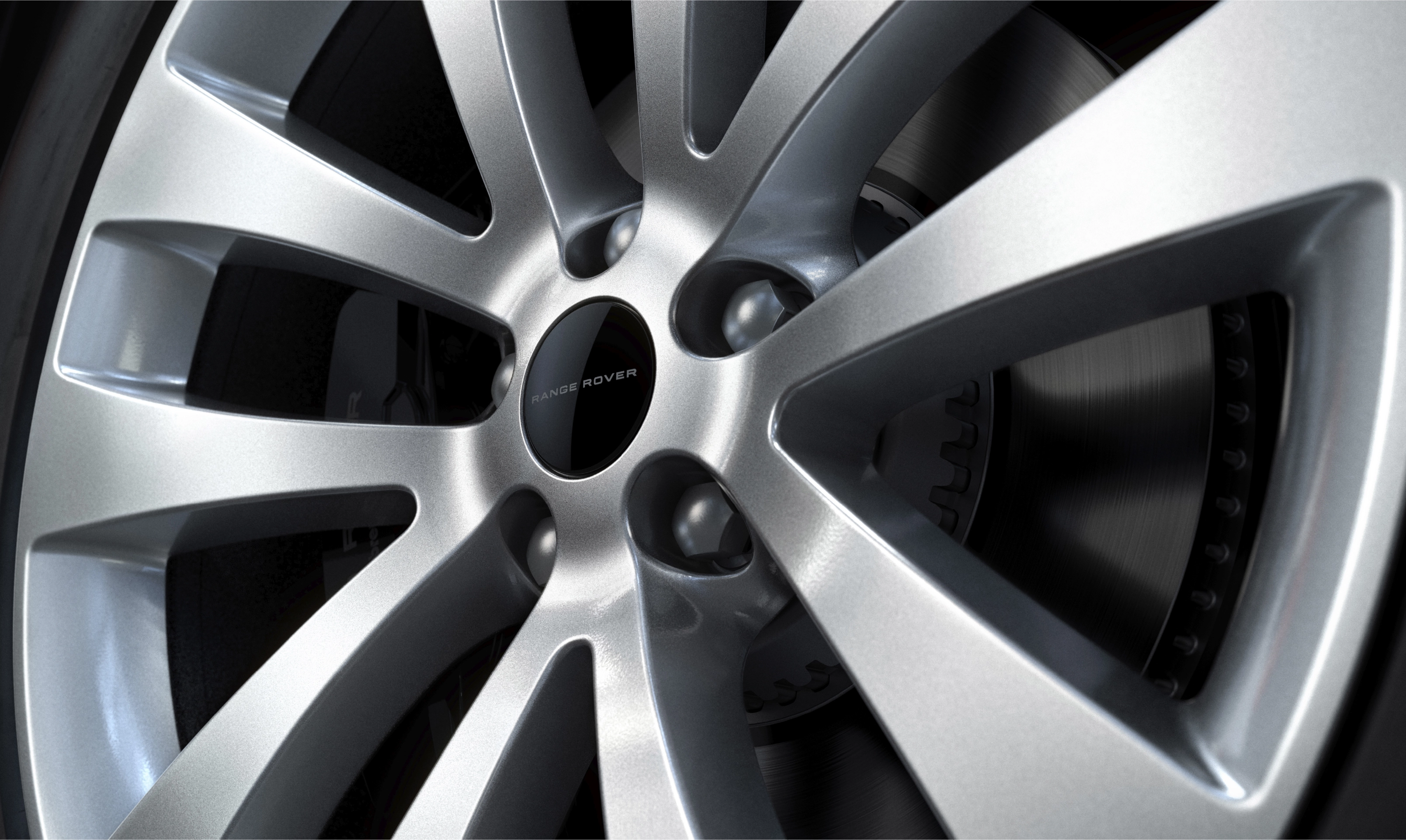
When Should Land Rover Brake Pads Be Replaced?
Land Rover and Range Rover vehicles are known for their advanced braking systems, strong driving dynamics, and premium SUV performance. However, maintaining brake system efficiency is essential for driving safety and vehicle control.
Brake pads are wear components that gradually deteriorate over time. If replacement is delayed, both braking performance and driving safety may be significantly affected.
For this reason, regular brake inspections and timely replacement procedures are extremely important.
At What Mileage Should Land Rover Brake Pads Be Replaced?
Brake pad lifespan may vary depending on:
- Driving style
- Traffic conditions
- Vehicle weight
- Road conditions
In general, Land Rover brake pads should be inspected:
- Between 30,000 and 60,000 kilometers
and replaced when necessary.
Heavy city traffic and aggressive braking may shorten brake pad lifespan considerably.
Common Symptoms of Worn Brake Pads
The brake system usually provides warning signs before brake pads are fully worn out.
Common symptoms include:
- Squeaking or grinding noises during braking
- Increased braking distance
- Steering wheel vibration
- Reduced braking performance
- Hard or soft brake pedal feel
- Brake warning light activation
These symptoms may indicate brake pad wear.
Why Do Brake Noises Occur?
Worn brake pads may begin contacting metal surfaces, causing friction-related noises.
If ignored:
- Brake discs may become damaged
- Braking performance may decrease
- Repair costs may increase
Early inspection is highly recommended.
Why Does Braking Distance Increase?
Worn brake pads reduce braking efficiency.
This may:
- Increase emergency stopping risks
- Negatively affect road handling
- Reduce driving safety
Brake system maintenance is especially critical in heavy SUV vehicles such as Land Rover and Range Rover models.
What Is Checked During Brake System Maintenance?
Professional brake maintenance services typically include inspection of:
- Brake pads
- Brake discs
- Brake fluid
- Caliper systems
- Brake pressure systems
Electronic brake systems and sensors are also analyzed using advanced diagnostic equipment.
What Happens If Brake Pad Replacement Is Delayed?
Ignoring brake pad replacement may:
- Damage brake discs
- Reduce braking performance
- Increase safety risks
- Cause larger brake system failures
Routine maintenance helps prevent expensive repair costs.
Why Are Brake Diagnostics Important?
Modern Land Rover vehicles use electronically controlled braking systems.
Advanced diagnostics help technicians:
- Analyze brake sensors
- Inspect electronic braking systems
- Evaluate pressure values
- Detect potential faults early
These inspections are essential for maintaining maximum driving safety.
Professional Land Rover Brake Service with Konak Oto
Located in Maslak Atatürk Auto Industry Center, Konak Oto provides professional brake system maintenance and diagnostic services specifically for Land Rover and Range Rover vehicles.
Services include:
- Brake pad inspections
- Brake disc analysis
- Brake diagnostics
- Electronic brake system checks
- Brake performance testing
All procedures are performed according to manufacturer standards using advanced technical equipment.
Conclusion
Timely brake pad replacement is essential for maintaining driving safety, braking performance, and vehicle control in Land Rover vehicles.
Regular brake system maintenance and professional diagnostics help identify potential issues early and prevent costly mechanical failures.
Frequently Asked Questions
At what mileage should Land Rover brake pads be replaced?
Brake pads should generally be inspected between 30,000 and 60,000 kilometers.
What happens when brake pads wear out?
Braking performance may decrease, stopping distance may increase, and driving safety may be reduced.